In an age of hyper-optimized algorithms and AI-driven predictive modeling, it is tempting to view the "boots on the ground" retail visit as a sentimental relic. But for the serious investor, data is merely the trail; Manhattan is the beast itself. As any seasoned market observer knows, there is no digital substitute for a physical walk through the retail corridors of New York City—especially when accompanied by a retail-savvy 23-year-old who represents the ultimate arbiter of modern "buzz."
Manhattan functions as a high-stakes filter. These are the "Best Foot Forward" flagships—the most expensive, highly designed, and scrutinized real estate in a merchant’s portfolio. If a brand cannot resonate here, where the density of trend-conscious capital is at its peak, the rest of the chain is often already in a state of terminal decay.
The Vibrancy Gap: Aritzia vs. Saks
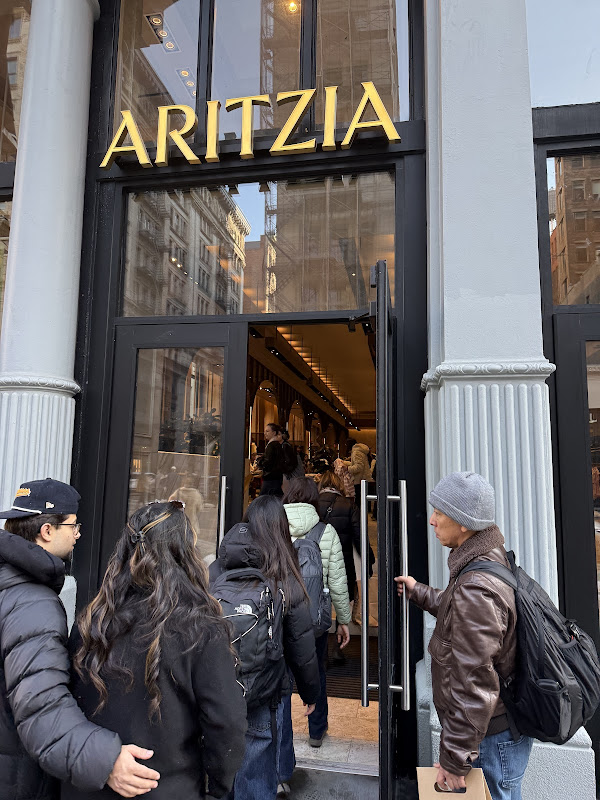
The most striking lesson from a weekend at the Oculus and SoHo isn't found in a spreadsheet; it’s found in the air. Aritzia’s new flagship at 560 Broadway is a masterclass in current "resonance." It isn't just a store; it’s an ecosystem that feels new, exciting, and possesses that elusive "just right" amount of crowded. This physical energy is the lead indicator for the financial explosion Aritzia recently reported—a staggering $1.04 billion quarter with 34% comparable sales growth.
Contrast this with the experience at Saks Fifth Avenue. While the luxury brands themselves remain a dominant force globally, the Saks flagship increasingly feels like a gilded ghost town. When a store that should be the heartbeat of luxury retail feels "tired" and "stale" on a holiday weekend, it’s a warning sign that the department store model is failing to solve the "why bother?" question for the modern consumer. Saks Global’s January 2026 bankruptcy filing was the math catching up to the vibe you can feel the moment you step off the escalator.
The Athleisure "Sea of Sameness"
Perhaps the most nuanced takeaway for an investor is the regional "mismatch" of certain trends. On the West Coast, brands like Vuori and Alo Yoga are treated as the white-hot disruptors to Lululemon’s throne. However, a walk through Manhattan reveals a different reality: a palpable lack of buzz.
In the hyper-competitive New York corridor, these brands can often feel like part of a "tired" athleisure background. This suggests that American fashion is not a monolith. What plays as "essential" in Encinitas or Malibu may simply be "noise" in Manhattan. For an investor, seeing the relative quiet at a Lululemon or Vuori store in the city is a vital sanity check against the "infinite growth" narratives often peddled in investor decks. It proves that a brand’s national expansion isn't a guaranteed victory lap; it’s a series of local battles for relevance.
The Final Word
For those putting capital to work, Manhattan remains the world’s most reliable "crystal ball." AI can tell you what sold yesterday, but it cannot capture the "vibe shift" that happens when a 23-year-old decides a brand is no longer part of the conversation.
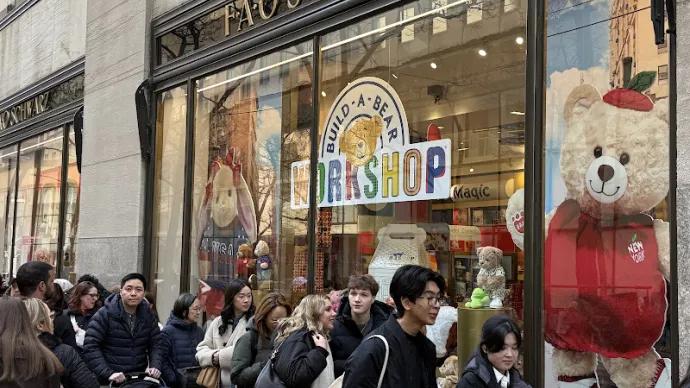
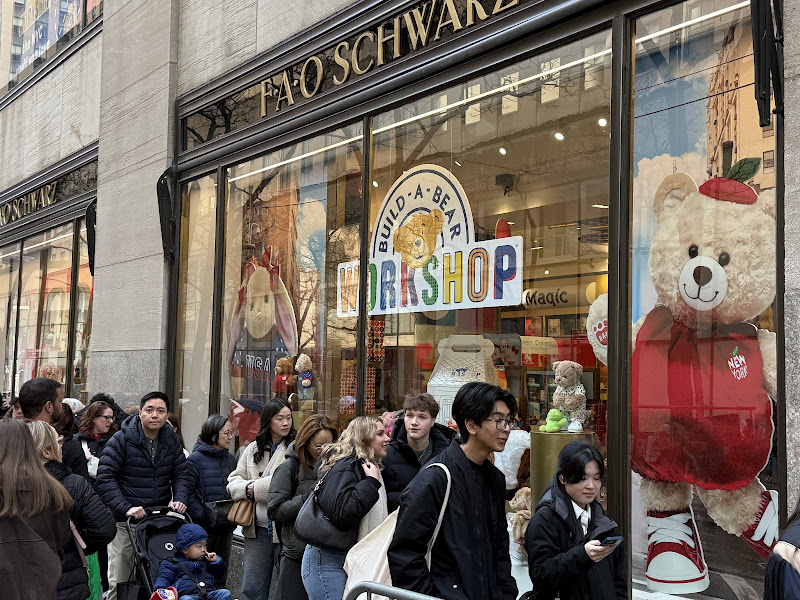
Good stores and brands aren’t for every customer; you wouldn’t have found my daughter and me standing in the half-block-long line for FAO Schwarz, and the line itself doesn’t refute that Mattel is wrong about the health of the toy industry. We aren't about to see a rebirth of Toys R Us. What the buzz at FAO demonstrates is that we havent quite gotten to the point where Screen Time has totally obviated the nation's appetite for physical toys; you just have to be selling the right stuff.
If the NYC stores aren’t looking good, the chain itself may be lost. But when you find that spark—the crowd at FAO Schwarz or the energy in SoHo—you aren't just looking at a successful Saturday of shopping. You're looking at the next great investment thesis unfolding in real-time.
Researching and investing in the consumer well means understanding the back-end technology, where each chain is in its life-cycle, and where the consumer is now. The chains getting it all right at once are shooting stars. They have buzz. They have a life to them that can't be faked. Not in Manhattan, the cradle of US trends.
A hot chain is like a low-key visit to a club. A store like Saks has all the urgency of a museum; like the MoMa, Sacks will probably still be here next time I'm in town but there was no need to spend much time there now.
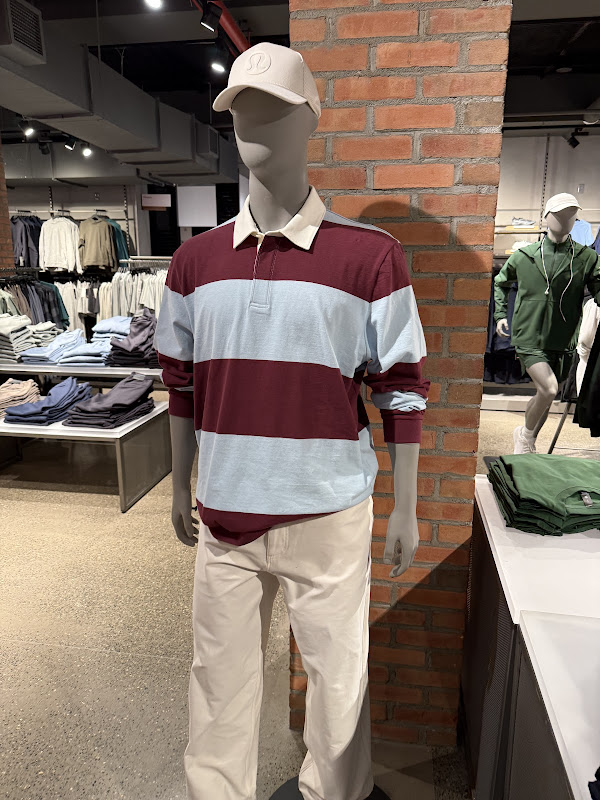
Lulu's Rugby shirt… A chain still looking to refine its stride
Best Buzz: Aritzia's flagship stores standing out in a crowded market